
"Summarizing Symbol" - The Crusader Kingdom of Jerusalem and "Metal on Metal" Heraldry
- Nir Topper

- Jun 27
- 3 min read
A "Summarizing Symbol" is an anthropological concept that defines an entire value system into one powerful emotional symbol.
With the conquest of Jerusalem in 1099 and the establishment of the Latin Kingdom of Jerusalem, a unique symbol known as the Jerusalem Cross became associated with the figure of Godfrey of Bouillon—who refused the title of king and was called the "Defender of the Holy Sepulchre."
The symbol consists of a large central cross—whose arms are of equal length and end in a T shape (known as a cross potent)—surrounded by four smaller Greek crosses, one in each quadrant.
Theologically, the five crosses symbolize the five Holy Wounds of Jesus Christ on the cross (the four nail wounds and the lance wound from the legionnaire), or Jesus Christ surrounded by the four Evangelists who wrote the Gospels.
The heraldic uniqueness (heraldry: the study of coats of arms and armorial bearings) of the symbol was its color combination: a gold cross on a silver background. This combination is a deliberate deviation from the European heraldic Rule of Tincture, which forbids placing "metal on metal" due to the need for high contrast for battlefield identification. The justification for this exception was that Jerusalem, as a holy city above all other cities, deserved to bear the two precious metals together.
Because of its deliberate deviation from the rule, the symbol was referred to in French heraldry as armes à enquérir—"arms of enquiry" (or "arms to be inquired about")—since the violation of the rule was intended to draw attention and provoke wonder regarding the special status of the kingdom.
In addition, the symbols of the knightly orders developed in the Land of Israel, leaving a profound mark:
The Crusader Knights Templar: The Grand Masters of the order used a two-sided seal. One side depicted two knights riding a single horse—a symbol widely interpreted as an expression of the order's initial values of poverty and humility. The other side featured a round dome, likely identified with the Dome of the Rock, which the Crusaders called Templum Domini ("Temple of the Lord"), rather than the Al-Aqsa Mosque, which they called Templum Salomonis ("Temple of Solomon") and which served as the order's headquarters.
The German Crusader Order (Teutonic Order): Adopted a black cross on a white background as its symbol, a design that later became the basis for the Prussian Iron Cross introduced in 1813, and for the symbols of the German military to this day.
--
---
----
👉Join one of my (quiet) Channels, stay updated:
Telegram: nirtopper.com/telegram-channel
Whatsapp: nirtopper.com/whatsapp-channel
👉Rich content available for you on my Blog; Israel's History, Society & Culture:
Image 1 - Symbol, Flag of the Latin Kingdom of Jerusalem (the First Crusader Kingdom)

Image 2 - Godfrey of Bouillon. On his chest is the symbol of the Kingdom of Jerusalem. The artist is likely Giacomo Jaquerio, and the fresco was painted around 1418–1430. Source: Maestro del Castello della Manta, Public domain, via Wikimedia Commons

Image 3 - Seal of the Knights Templar, the Order of the Knights of the Temple of Solomon. Source: Thomas Andrew Archer, Charles Lethbridge Kingsford, Public domain, via Wikimedia Commons
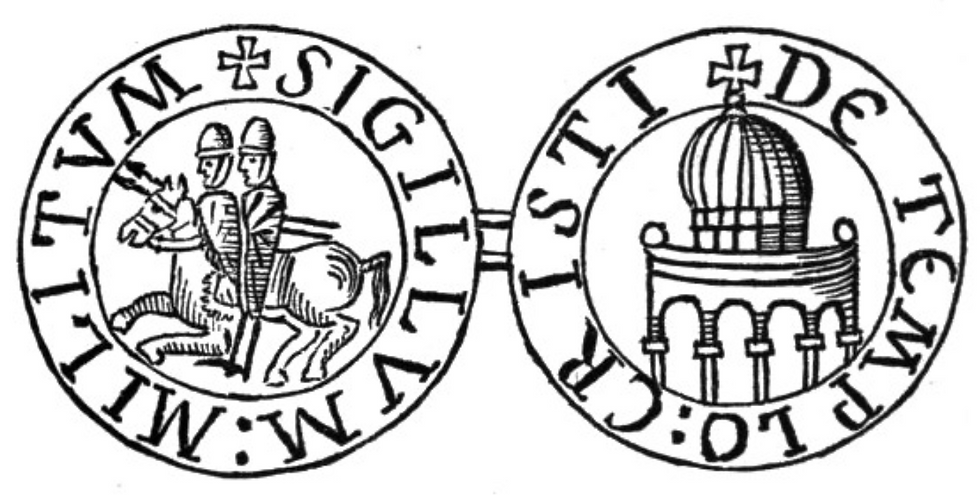
Image 4 - Symbol, Flag of the Teutonic Crusader Order. Source: Nomadic1, CC BY-SA 4.0, via Wikimedia Commons
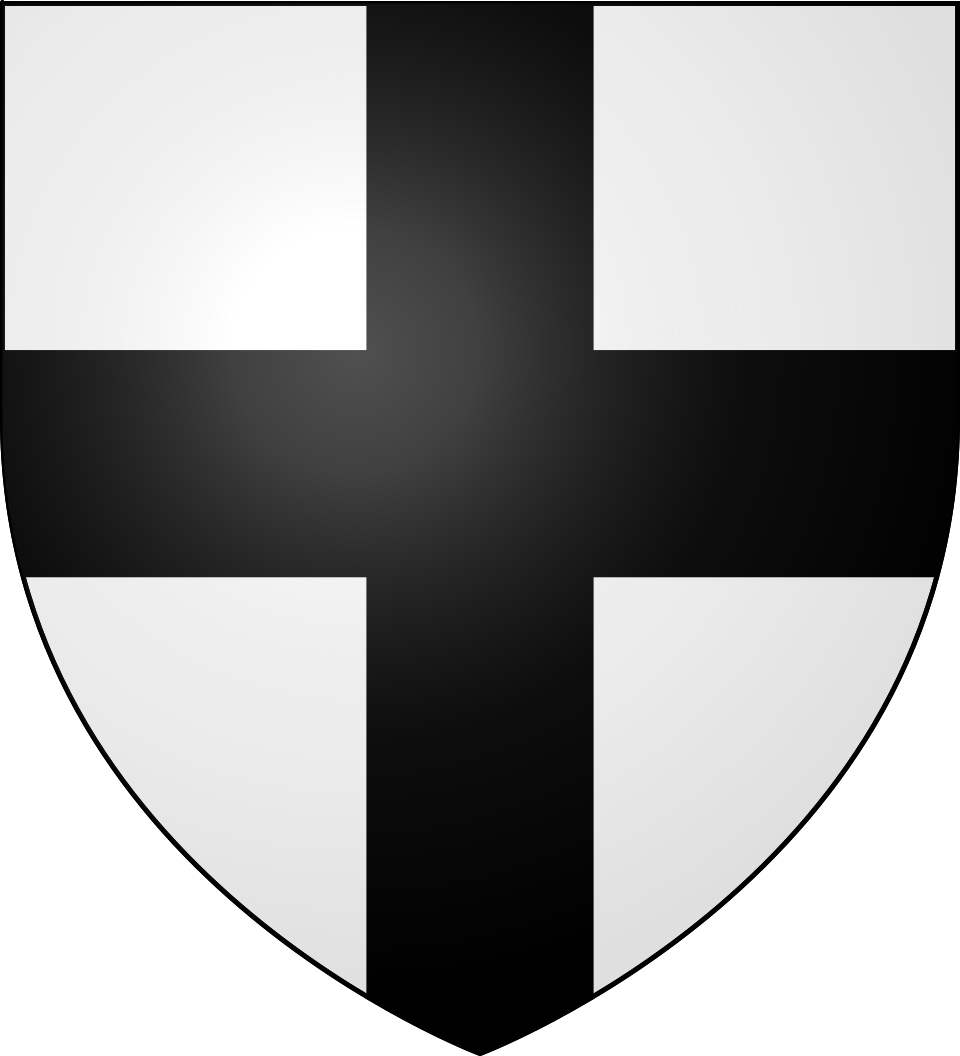
Image 5 - Frank Bayard, Grand Master (the 66th) of the Teutonic Order (as of 2020). The order still exists today. The symbols of the order can be identified on his garments. Source: Akkon1190, CC BY-SA 4.0, via Wikimedia Commons

Image 6 - The Grand Cross of the Iron Cross, 1870 version. Source: User:LoveIron, CC BY-SA 3.0, via Wikimedia Commons.
The Iron Cross (German: Eisernes Kreuz) is a German decoration awarded for bravery. The original decoration was awarded in 1813 during the Napoleonic Wars by Prussia; the decoration was revived and awarded again in 1870 during the Franco-Prussian War, in 1914 during World War I, and finally in 1939 during World War II. Design: The German architect Karl Friedrich Schinkel designed the decoration in 1813 at the request of King Frederick William III of Prussia. Schinkel used the symbol of the Teutonic Knights as inspiration for the Iron Cross. The cross is designed as a cross pattée. Source: Wikipedia, entry: Iron Cross.

Image 7 - The flag of the Vatican on the roof of the "College of the Brothers" (French: Collège des Frères) in the Old City of Jerusalem. The flag of the Vatican is one of the rare national flags that includes a deliberate deviation from the heraldic Rule of Tincture, as elements of gold and silver appear together in the symbol. Photography: Nir Topper.


Comments