
"Where Did It Come From?" – And This Time: What is the Origin of the Name Yokneam?
- Nir Topper

- May 28
- 4 min read
Yokneam is one of the most ancient and fascinating cities in the Land of Israel, a place whose name has survived for thousands of years. The meaning of the name is likely derived from a combination of the Hebrew root Q-N-H (meaning property or purchase) or the word Yakon (meaning will be established or based) and the word Am (nation or people). Together, it translates to the place where the people establish themselves, acquire an estate, or grow economically stronger.
The city is situated at a distinctly strategic point: at the foot of Mount Carmel, at the entrance to the Jezreel Valley, and right on the historical trade route. Interestingly, the first mention of the name does not appear in the Bible, but rather in the conquest lists of the Egyptian Pharaoh Thutmose III (from the 15th century BCE). Only later is it mentioned in the Book of Joshua as an important Canaanite city conquered by the Israelites ("the king of Jokneam in Carmel, one"), and it is subsequently detailed as a city granted to the Levite priests.
The identification of ancient Yokneam's location in the modern era was made possible thanks to the fascinating preservation of its name. The local tell (archaeological mound) was known in Arabic as "Tell Qamun"—a name considered to be a corruption of the original Hebrew name. 19th-century scholars of the Land of Israel, including Edward Robinson, traced the chain of the name's permutations throughout history. It evolved from the form "Cammona," mentioned in Eusebius's Onomasticon (3rd century CE), through the Arabic name "Qaymun" preserved after the Muslim conquest, all the way to the Crusader name "Caymont." This latter name was born out of a folk etymology that linked the Arabic phonetic sound to a tradition regarding "Cain's Mountain" (Cain Mons). The preservation of the name's phonetic core among the local inhabitants over the generations, combined with its precise geographical alignment with biblical descriptions, ultimately confirmed the site's identity.
In the modern era, the historical name was revived thanks to the Zionist enterprise. In 1934, the Palestine Land Development Company, directed by Yehoshua Hankin, purchased about 20,000 dunams (approx. 5,000 acres) around Tel Yokneam, primarily from the Lebanese Sursock family. In 1935, a new agricultural moshava (colony) was established on these lands and was given the ancient biblical name—an expression of the settlers' renewed connection to the historical land in the Jezreel Valley.
In the years following the establishment of the State of Israel, during the great waves of immigration, a ma'abara (immigrant transit camp) was established in July 1950 further up the mountain, adjacent to the moshava. It initially took in 250 immigrant families, followed later by hundreds more. The transit camp gradually transformed into permanent housing neighborhoods. In 1967, these neighborhoods separated from the agricultural moshava and became an independent local council named "Yokneam Illit" (Upper Yokneam). It was officially declared a city in 2006, developing into a modern residential hub and a highly significant high-tech center.
Today, Yokneam Illit is an impressive example of urban development in Israel: from a modest immigrant transit camp in the 1950s that suffered from unemployment and isolation, it has evolved into a major economic and technological powerhouse. The city is home to approximately 25,000 residents and is widely known as Israel's "Startup Village." Its industrial park hosts about 120 high-tech companies, including leading international firms in the fields of medical devices, biotechnology, and electronics, with the park's annual turnover estimated at roughly $3 billion.
The combination of knowledge-intensive industry in the heart of a lush, green environment—the city borders the Ramot Menashe Biosphere Reserve, recognized by UNESCO in 2011—gives it a unique character of sustainable growth. Thus, Yokneam has become a symbol of innovation and prosperity, reflecting, in its own modern way, the same themes of establishment and renewal that have accompanied this place since ancient times.
--
---
----
👉Join one of my (quiet) Channels:
Telegram: nirtopper.com/telegram-channel
Whatsapp: nirtopper.com/whatsapp-channel
👉Rich content available for you on my Blog; Israel's History, Society & Culture:
--
---
----
Image 1 - The Yokneam Ma'abara (transit camp), 1952. Source: Israeli GPO photographer, Public domain, via Wikimedia Commons

Image 2 - The Mellanox and Given Imaging buildings in the Yokneam High-Tech Park. Source: By Yaakov - Own work, CC BY-SA 3.0
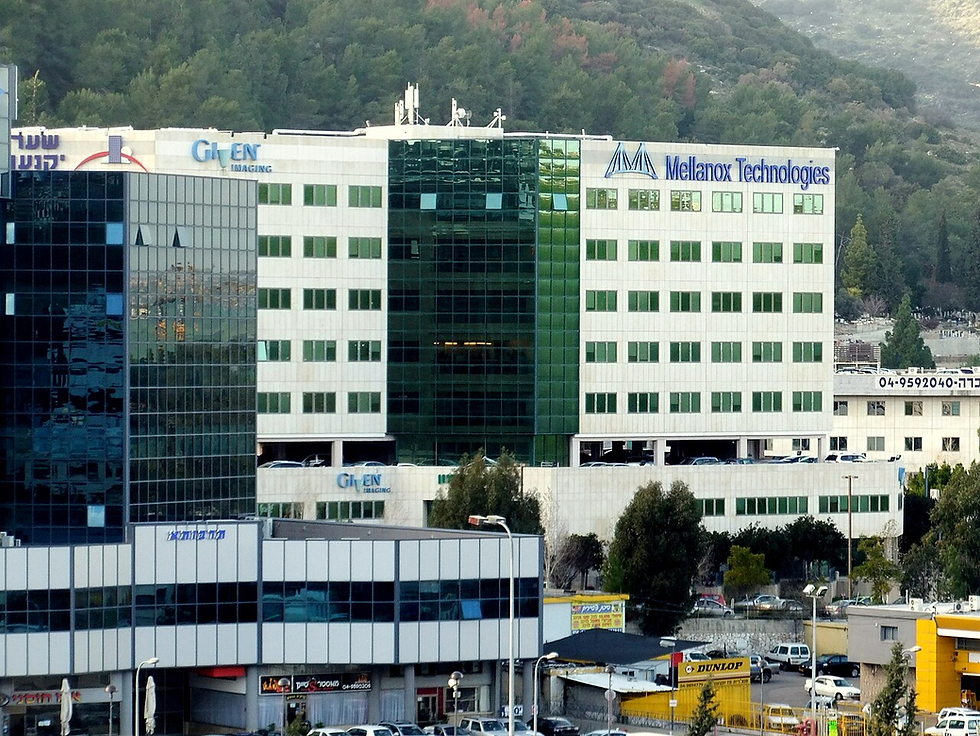
Image 3 - The Nvidia building, Yokneam High-Tech Park. Source: By Amir Shtanger - Own work, CC BY-SA 4.0

Image 4 - Ruins of the Crusader church, Tel Yokneam. Source: By Bukvoed - CC BY 3.0, Wikimedia Commons

Image 5 - Tel Yokneam viewed from Keren Carmel. To the right of the tell are the houses of Yokneam Illit; to the left, the houses of the Moshava Yokneam. Source: By Hanay, CC BY-SA 3.0, Wikimedia Commons
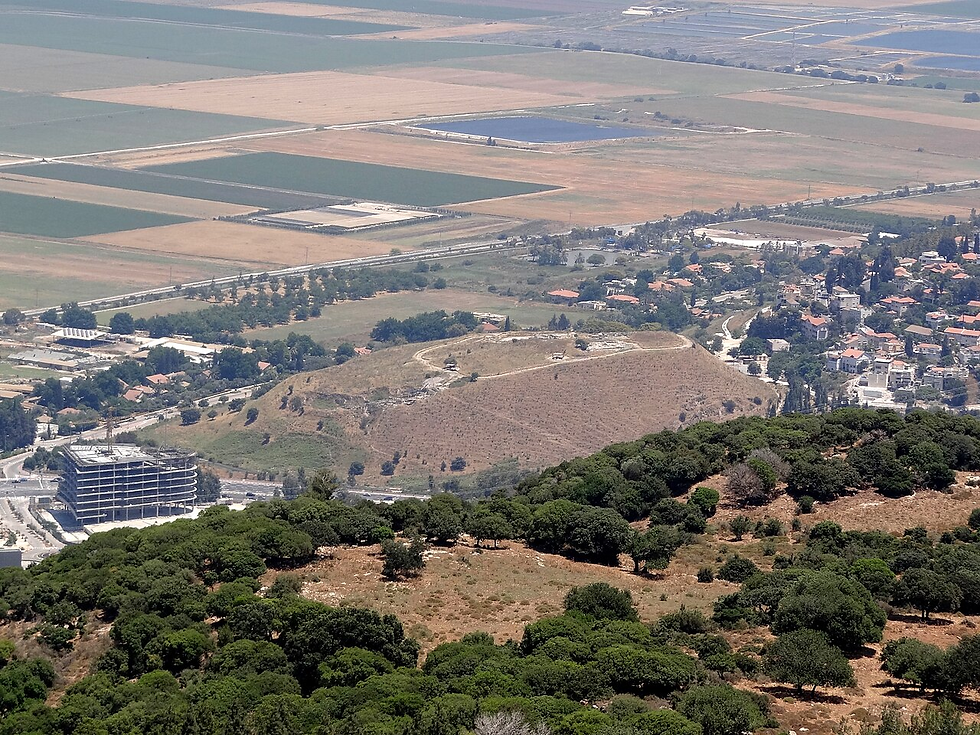
Image 6 - The location of Yokneam in the region. Source: Google Maps


Comments