
In Brief: "Something in Something". This time: The "Magdala Stone" in the Ancient Synagogue of Magdala.
- Nir Topper

- Jun 12
- 3 min read
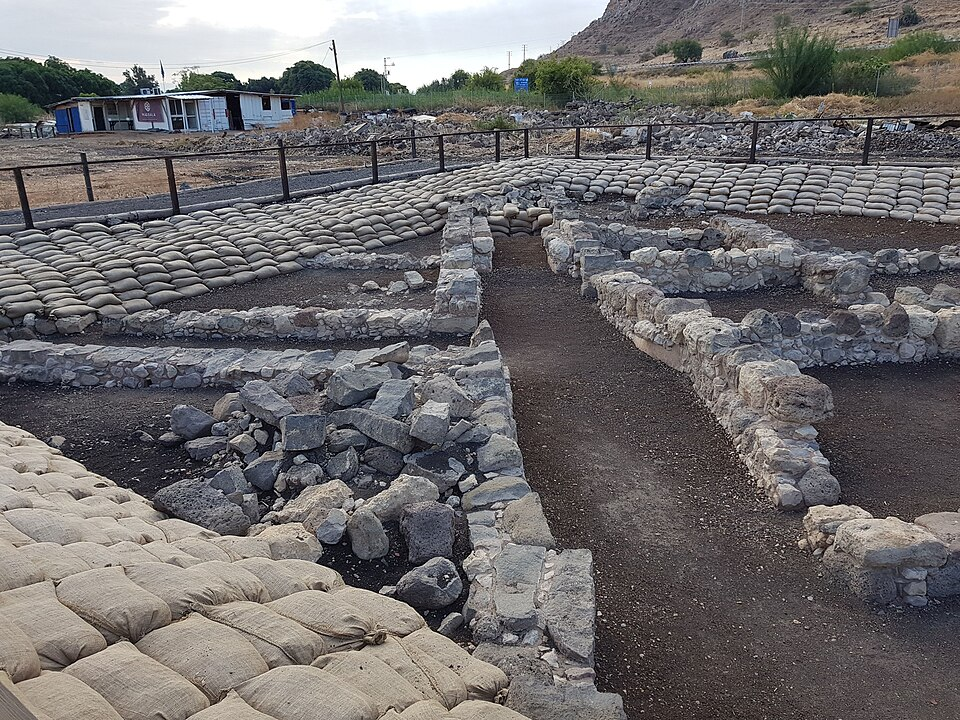
The ancient synagogue at Magdala is a rare Jewish house of prayer and communal gathering center from the Second Temple period, discovered in 2009 on the northwestern shore of the Sea of Galilee, near the modern-day town of Migdal. The synagogue operated during the late Second Temple period until the 1st century CE, which accounts for its extreme rarity. To date, only a handful of synagogues have been discovered in Israel that existed concurrently with the Second Temple before its destruction in 70 CE. In December 2021, a second synagogue from the same era was unearthed at Magdala—the first time two Second Temple-period synagogues were found in a single settlement. This discovery reshaped researchers' understanding of the synagogue's role in Jewish communal life while the Temple was still standing.
The Magdala synagogue offers a rare glimpse into the communal, social, and religious life of Galilean Jews at that time. The structure featured a main hall measuring approximately 120 square meters, lined with peripheral stone benches built against the walls. It boasted a floor partially paved with mosaics—featuring a central rosette motif—and walls adorned with colored plaster (frescoes). These findings suggest the wealth and established status of the local community in the ancient fishing town of Magdala (Tarichaea).
In the heart of the synagogue, a rare archaeological artifact was discovered: the "Magdala Stone." This square limestone block is decorated with detailed reliefs which, according to leading scholars, likely served as a miniaturized, symbolic three-dimensional model of the Second Temple. Carved onto the front of the stone is a seven-branched Menorah standing on a triangular base (similar to other ancient Menorah depictions found in Israel, and unlike the stepped base familiar from the Arch of Titus). This is considered the earliest known relief of a Menorah ever found within a synagogue. Since the stone was carved while the Temple in Jerusalem still stood, researchers hypothesize that the artisan who engraved it saw the original Menorah with their own eyes.
Beyond the Menorah, the stone features engravings of symbols identified as Temple vessels and architectural elements, including jugs, pillars, arches, the incense altar, and the table of the showbread. This unique combination led to the assumption that the stone—which may have served as a base for a table upon which the Torah was read—was intended to create a tangible and spiritual connection to the cultic center in Jerusalem for the Galilean Jews who lived far away. It was perhaps an attempt to bring a piece of the Temple's holiness directly into their local synagogue on the shores of the Sea of Galilee.
The synagogue is deeply moving, perhaps even more so, for Christian believers visiting Magdala. The synagogue dates back to the lifetime of Jesus, and the Gospels in the New Testament recount that Jesus traveled through the towns and villages of the Galilee, teaching in their synagogues. Some even believe that "Magadan," a place mentioned in one of the Gospels, is none other than Magdala itself. Did Jesus pray in this very synagogue? A Christian believer arriving in Magdala—the traditional birthplace of Mary Magdalene—cannot remain indifferent to these rare findings. Could Jesus have read from a Torah scroll resting upon the "Magdala Stone" itself?
In 2020, after undergoing a conservation process, the stone was returned to the site and is currently on display at the local hotel. Accurate replicas of the stone can be found in several museums and historical sites across Israel.
--
---
----
👉Join one of my (quiet) Channels, stay updated:
Telegram: nirtopper.com/telegram-channel
Whatsapp: nirtopper.com/whatsapp-channel
👉Rich content available for you on my Blog; Israel's History, Society & Culture:
--
---
----
Image 1 - The sides of the "Magdala Stone". Source: Hanay, CC BY-SA 3.0, via Wikimedia Commons.

Image 2 - The top of the "Magdala Stone". Source: Goatjump, CC BY-SA 4.0, via Wikimedia Commons

Image 3 - A drawing of the Menorah by Maimonides (Rambam) in a manuscript of his Commentary on the Mishnah (1168-1204), alongside the Menorah from the Arch of Titus in Rome. Maimonides (as well as Rashi, aligning with other Talmudic descriptions) depicts the Menorah as having three legs. Conversely, the Menorah depicted on the Arch of Titus in Rome features a massive base with three solid steps.
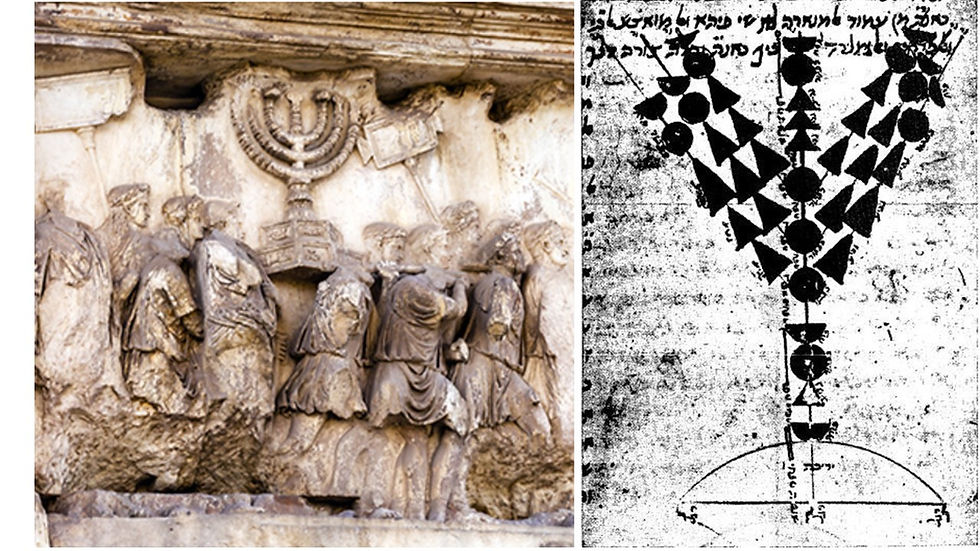
Image 4 - Mosaic floor in the Magdala synagogue. Source: makom.hamoreshet.org.il - Photography: Israel Zeller, Yigal Zalmanson - 01.12.2021
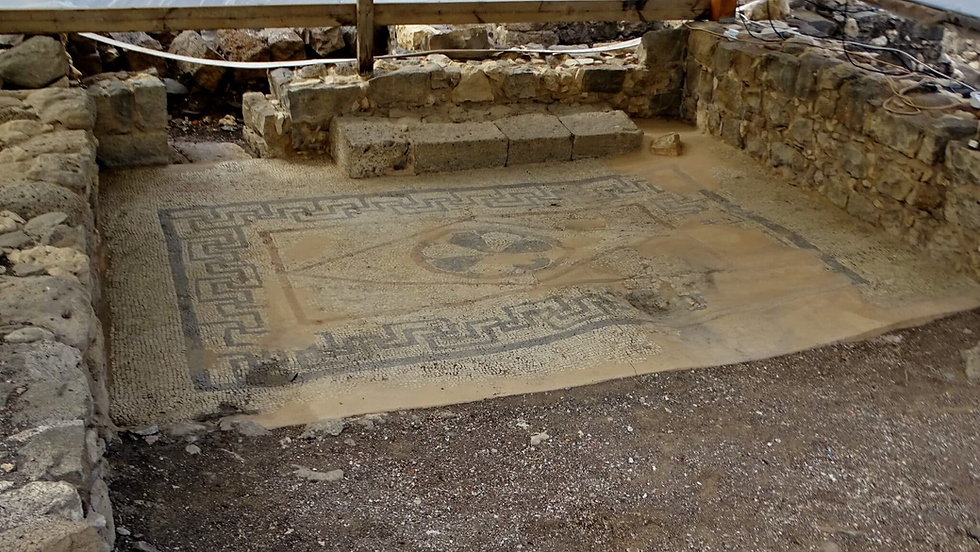
Image 5 - Antiquities from the ancient synagogue in Magdala. Source: Ariel Manor, from PikiWiki.


Comments