
The City That Refused to Yield to the Swamps
- Nir Topper

- Feb 21
- 4 min read
The name "Petach Tikva" (Gateway of Hope) was originally intended for the Jericho area. In 1872, a group of Jews from Jerusalem—among them Yoel Moshe Salomon, David Gutmann, and Zerach Barnett—attempted to purchase lands in the "Achor Valley" near Jericho, inspired by the prophecy of Hosea: "I will give her her vineyards from there, and the Valley of Achor as a gateway of hope." When that attempt failed, they brought the name with them to the banks of the Yarkon River in 1878. There, facing the Umbales swamps and severe warnings from doctors regarding malaria, they set to work on the 7th of Heshvan, 5639 (October 1878), establishing the first Jewish agricultural colony—the "Mother of the Colonies."
The founders were not just ideologues; they were brave entrepreneurs who invested their private capital to create a new model of the "Hebrew Farmer." Figures such as Yehoshua Stampfer, David Gutmann, and Zerach Barnett, along with Yehuda Raab and his father Eliezer—who plowed the first furrow—fought the Yarkon floods that destroyed the initial mud huts. Even when forced to temporarily relocate to the village of Yehud due to epidemics, they never gave up. A few years later they returned, this time with a master plan by surveyor Haim Moshe Slor, who divided the estate into 100 equal plots—shaping the skeletal structure of what would eventually become a modern city centered around Founders’ Square.
However, Petach Tikva’s survival was never a given, and this is where "The Well-Known Benefactor," Baron Edmond de Rothschild, entered the picture. In 1887, as the colony teetered on the brink of economic and health collapse, the Baron took it under his wing. He funded massive swamp drainage that eradicated malaria, built public institutions like the Great Synagogue, and sent agronomists who established the magnificent citrus industry. His contribution is commemorated today in one of the city's main arteries—Rothschild Street—and the iconic "Baron's Gate" monument at the city's western entrance, symbolizing the gate the Baron opened for the continued existence of the "Mother of the Colonies."
Over the years, Petach Tikva served as a central arena for shaping Israeli society. The struggle for the "Conquest of Labor" (Kibbush Ha'Avoda) was born in its citrus groves, and in 1905, the "HaPoel HaTzair" party—the first established in the Land of Israel—was founded there. It was also a pioneer in immigrant absorption; as early as 1913, the Mahane Yehuda neighborhood was established for Yemenite immigrants. In 1937, under the British Mandate, Petach Tikva officially became a city—the second Hebrew settlement to receive this status after Tel Aviv—accelerating the merger of satellite settlements and surrounding neighborhoods.
The city's growth was accompanied by a fascinating integration of independent settlements that became an inseparable part of it. This began with Ein Ganim, established in 1908 as the first "Workers' Colony" in the country, and continued with neighborhoods like Kfar Ganim, founded in 1926 as an agricultural center for the middle class, and the Beilinson neighborhood established alongside the medical center. After the establishment of the State, the map expanded further with the absorption of transit camps (Ma'abarot) and their transformation into permanent neighborhoods like Amishav, Sha'ariya, Yoseftal, and Kiryat Alon—all established on the lands of the Arab village of Fajja, which was destroyed in 1948. This merger of agricultural colonies, workers' neighborhoods, and transit camps into a single municipal entity is what created the communal and social diversity that characterizes the city to this day.
👉Join one of my (quiet) Channels - Society, Culture & History:
Telegram: https://t.me/nirtopper
Today, Petach Tikva is the fifth largest city in Israel, with over 256,000 residents, serving as a strategic metropolitan anchor at the junction of the Gush Dan and Sharon regions. The city's strength is reflected not only in its world-class health institutions, such as the Rabin Medical Center (Sharon, Beilinson, and Schneider), but also in its status as an economic and transportation powerhouse. The Kiryat Aryeh and Segula employment zones have become massive magnets for the high-tech, communications, and service industries, translating into average salaries higher than the national average and an exceptionally low unemployment rate. Its location as a major crossroads, benefiting from high accessibility to national highways and both light and heavy rail networks, makes it a true "district city" providing services to millions of people throughout the region.
Alongside its economic success, the city also faces significant social challenges: the integration of Ethiopian-Israelis into the education system and the tension between various religious sectors. It is a microcosm of Israeli society as a whole—a city trying to balance accelerated growth with the maintenance of equal opportunities. Strategic planning for the renewal of the historic city center aims to bring life back to Hovevei Zion Street and the HaHagana-Katzir pedestrian mall, preserving the glorious heritage of a place that still serves as a "Gateway of Hope" for many.
Image 1 - The emblem of the City of Petach Tikva

Image 2 - The "Baron's Gate" monument in Petach Tikva. Source: Wikipedia.
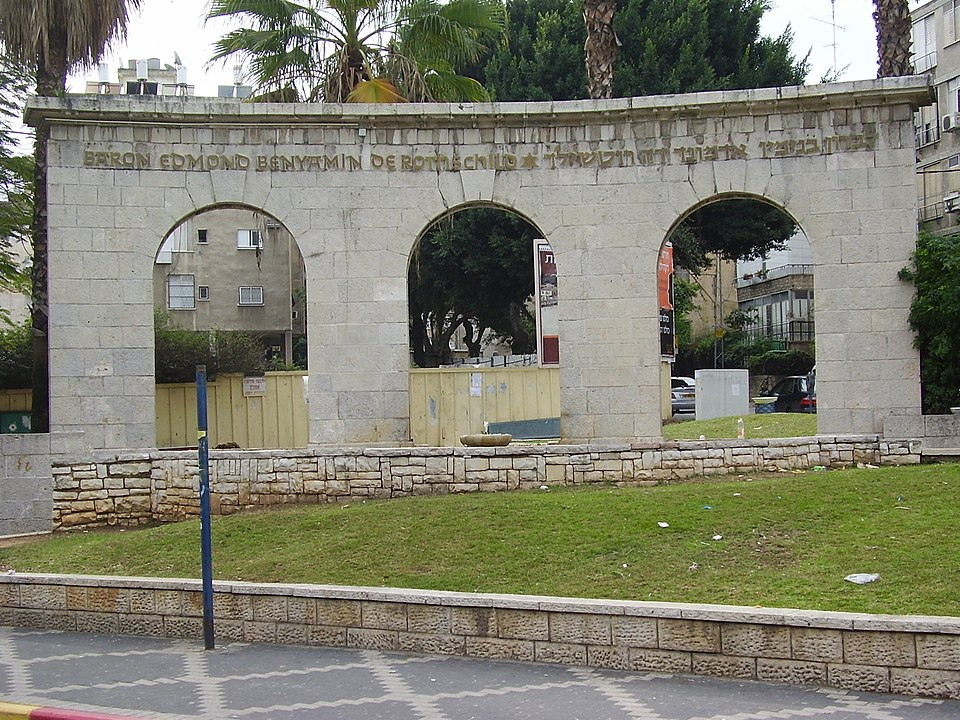
Image 3 - Yoel Moshe Salomon. Source: Wikipedia.

👉Join one of my (quiet) Channels - Society, Culture & History:
Telegram: https://t.me/nirtopper
#nir_topper #tour_guide #archaeology #history #society #israel #travel #culture #ניר_טופר #מורה_דרך #ארכיאולוגיה #היסטוריה #ישראל #טיולים #תרבות #חברה #PetachTikva #Zionism #UrbanPlanning #IsraelHistory #MotherOfColonies #פתח_תקווה #אם_המושבות #ציונות #התחדשות_עירונית #בילינסון #הייטק #חלוציות #Rothschild #BaronRothschild #הברון_רוטשילד #עין_גנים #כפר_גנים #עמישב #שעריה #מחנה_יהודה


Comments