
Today in History: April 23, 303 AD – 1,723 Years Ago: Saint George of Lod

Saint George, also known as "St. George of Lydda," was a Roman soldier of Greek-Cappadocian origin who served in Nicomedia (the eastern seat of power of the Roman Empire during the Tetrarchy, modern-day Izmit, Turkey). According to tradition, he served in the Praetorian Guard—the elite unit of the Roman army responsible for the Emperor's security—under Emperor Diocletian (reigned 284–305 AD). Tradition holds that George’s father was from Cappadocia and his mother was from Lod (Lydda). After his father's death, George and his mother returned to Lod, which became his final resting place.
In 303 AD, during the Diocletianic Persecution against Christians, Saint George was sentenced to death after refusing to renounce his Christian faith. He was executed by decapitation and, as noted, was buried in Lod. His figure became a symbol of steadfastness against tyranny. The anniversary of his death, April 23rd, is still celebrated today as a major Christian feast in the city of Lod, home to the ancient church that bears his name. His legacy is revered not only by Christians but also by Druze and Muslims. In Islam, he is often identified with Al-Khidr, a Quranic figure of hidden wisdom. The Druze view Al-Khidr as a reincarnation of the Prophet Elijah, John the Baptist, and Saint George all in one—making him a unique interfaith bridge in the Middle East.
The center of his veneration is the Church of Saint George in Lod, a Greek Orthodox church that stands as a living testament to the historical layers of the Land of Israel. The current structure, completed in 1872, was built over the remains of an impressive 12th-century Crusader church, which itself was established on the foundations of a 5th-century Byzantine basilica. Crusader remains are preserved within the church, while remnants of the Byzantine church can be found in the adjacent Al-Omari Mosque, which was also built on the western portion of the Crusader complex. Inside the church’s crypt, which dates back to the Byzantine period, lies a sarcophagus traditionally venerated as the Saint's tomb, drawing pilgrims from around the world.
The importance of the church was so great that the 10th-century Muslim geographer Al-Muqaddasi noted that Caliph Al-Walid, impressed by the splendor of Christian churches—including the Church of the Holy Sepulchre, the church in Lod, and churches in Edessa—sought to build a mosque in Damascus that would rival their beauty. This led to the creation of the magnificent Umayyad Mosque. To this day, the church remains a pilgrimage site, uniting traditions of holiness and heroism over centuries.
Beyond martyrological history, Saint George is most famously associated with the Legend of the Dragon. This legend likely developed in 11th-century Georgian sources, spread through the Byzantine world in the 12th century, and gained wide popularity in Western Europe through the 13th-century Legenda Aurea (Golden Legend) and stories brought back by Crusaders from the Holy Land. The legend tells of George saving a king’s daughter from being sacrificed to a fearsome dragon. In Richard Johnson's book The Seven Champions of Christendom (1596), the sword used by George to slay the dragon was named "Ascalon"—a name likely derived from the city of Ashkelon, a strategic and symbolic city during the Crusader Kingdom of Jerusalem.
The story of Saint George’s struggle against the dragon became an allegory for the victory of good and faith over evil. This cemented his status as the patron saint of many nations, most notably England and Georgia. The presence of Saint George persisted even into the modern era: during World War II, Winston Churchill’s personal aircraft—an Avro York—was named "Ascalon" after the Saint's legendary weapon. Churchill used this plane for crucial diplomatic meetings worldwide, serving as a symbol of determination in the fight against the forces of evil.
--
---
----
👉Join one of my (quiet) Channels:
Telegram: nirtopper.com/telegram-channel
Whatsapp: nirtopper.com/whatsapp-channel
👉Rich content available for you on my Blog; Israel's History, Society & Culture:
--
---
----
Image 1: Saint George slaying the dragon on the shield of the Georgian Coat of Arms.

Image 2: Saint George slaying the dragon in the Coat of Arms of the city of Moscow.
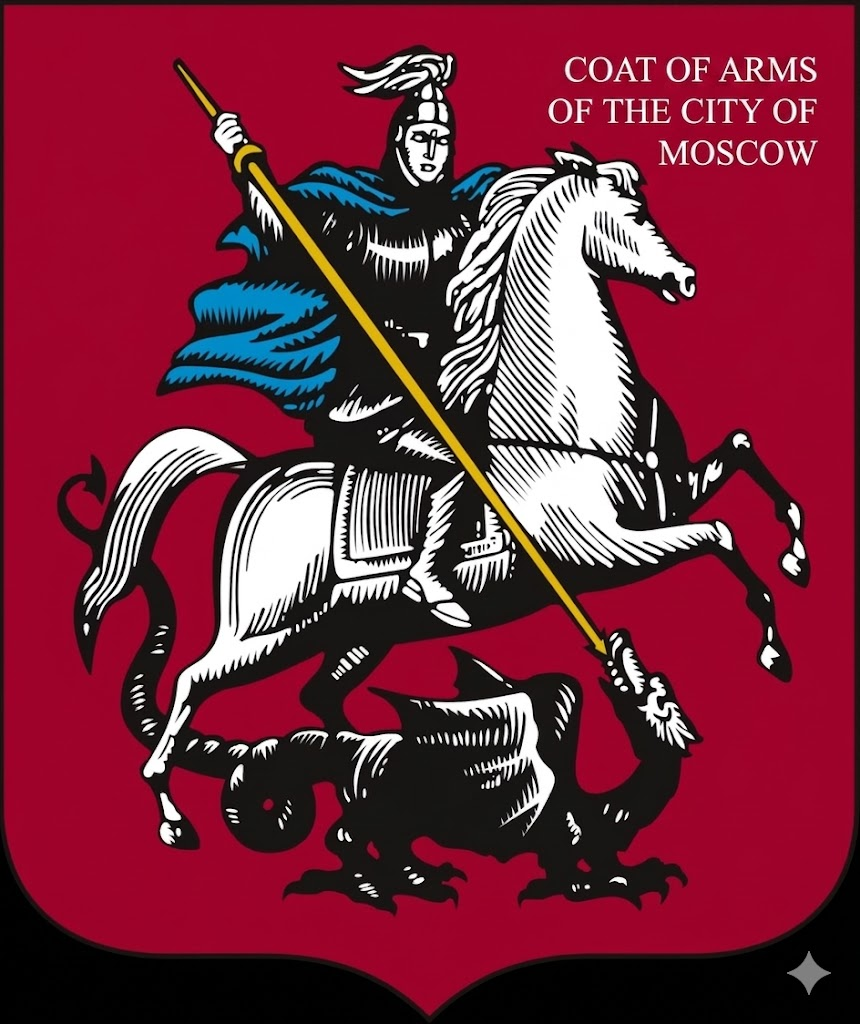
Image 3: Saint George slaying the dragon – Painting from 1270, Verona, Italy.

Images from the Church of Saint George in Lod. Photos by: Nir Topper.


--
---
----