
The City That Changed Identities: 1,800 Years of Drama Erased in a Single Decision

Perched on a kurkar (calcareous sandstone) cliff overlooking the Mediterranean Sea, on the coast of modern-day Herzliya, lie the ruins of a city that changed its identity, its rulers, and even its name over the course of about 1,800 years. Apollonia is much more than just a photogenic national park; it is a landmark that encapsulates parts of the turbulent history of the Land of Israel, from ancient times to the Middle Ages.
The city's origins date back to the 6th century BCE, during the Persian period. The Phoenicians, seafarers who controlled trade along the coastal region, established a settlement there and named it "Arshuf," after Resheph, the Canaanite-Phoenician god of plague and war. Toward the end of the Persian period, with the penetration of Greek cultural influence into the region, the Greeks identified the local Resheph with their own god, Apollo. Thus, in a typical process of cultural assimilation and syncretism, the city changed its name to "Apollonia."
During the Roman and Byzantine periods, from the 1st to the 7th centuries, the city flourished. It was a center for the production of the prestigious Tyrian purple dye extracted from murex sea snails, and in the late Byzantine period, it also became a major hub for the glass industry. Its natural harbor served as an active regional trade center. During the Byzantine era, the city changed its name once again: from "Apollonia" to "Sozusa"—"City of the Savior" in Greek—a name that capitalized on the shared epithet of both Apollo and Jesus Christ as "savior," adapting the city's identity to the new Christian era. However, the great historical drama of Apollonia unfolded centuries later, during the Crusader period. After a long era of Muslim rule, during which it reverted to a version of its original name—"Arsuf"—the city was conquered in 1101 by the Crusaders, who turned it into a lordship within the Crusader Kingdom of Jerusalem.
In 1191, one of the most famous medieval battles in the Land of Israel took place near the city: the Battle of Arsuf, where Richard the Lionheart, King of England, defeated the army of the Muslim commander Saladin. In the decades following the battle, the Crusaders fortified the city, which they called "Arsur," and in 1241, a massive fortress was built there. However, the city's end was absolute. In 1265, after a grueling forty-day siege, the Crusader fortress was captured by the Mamluk Sultan Baibars. Baibars, fearing the return of the Crusaders by sea, employed a systematic strategy of destroying coastal cities. He ordered the city and the fortress to be razed to the ground, using their stones to fill the harbor to render it useless and prevent any possibility of a future naval landing.
From that day on, Apollonia never regained its status as a city. The total destruction left its ruins abandoned on the cliff until archaeological excavations began in the 1950s—and especially the systematic excavations that commenced in 1994—uncovering its fortress, buildings, and remnants of its industries. Today, the site offers a rare glimpse into a bustling, eventful coastal city that was systematically destroyed by the Mamluks and never rose again.
--
---
----
👉Join one of my (quiet) Channels:
Telegram: nirtopper.com/telegram-channel
Whatsapp: nirtopper.com/whatsapp-channel
👉Rich content available for you on my Blog; Israel's History, Society & Culture:
---
----
Image 1 - Aerial photograph of Apollonia. Source: Or P, CC BY-SA 4.0, via Wikimedia Commons

Images 2-3 - From the Apollonia - Arsuf National Park. Photos: Nir Topper
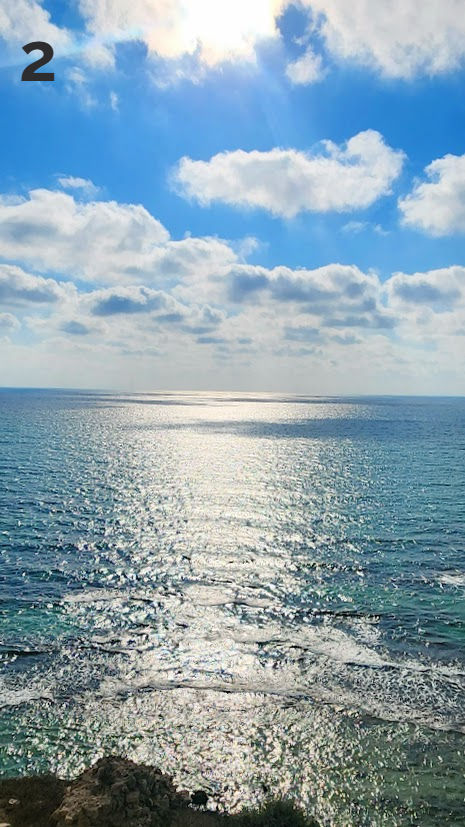

Image 4 - Remains of the Crusader fortress. Source: David Shay at Hebrew Wikipedia, CC BY-SA 3.0

Image 5 - The moat surrounding the Crusader fortress. Source: David Shay at Hebrew Wikipedia, CC BY-SA 3.0
