
Italians, Ottomans, British, Italians again, British again, and Israelis: The Story of a Hospital that Became the Ministry of Education
- Nir Topper

- May 15
- 3 min read
Updated: May 16
The Italian Hospital in Jerusalem, standing at the corner of HaNevi'im and Shivtei Israel Streets, is one of the most striking examples of the "Struggle of the Powers" for a foothold in late Ottoman-era Jerusalem. The building, which resembles a Renaissance palace transported from the heart of Florence to the Levant, is not only an extraordinary architectural masterpiece but also a testament to Italy's political and religious ambitions in the Land of Israel at the beginning of the 20th century.
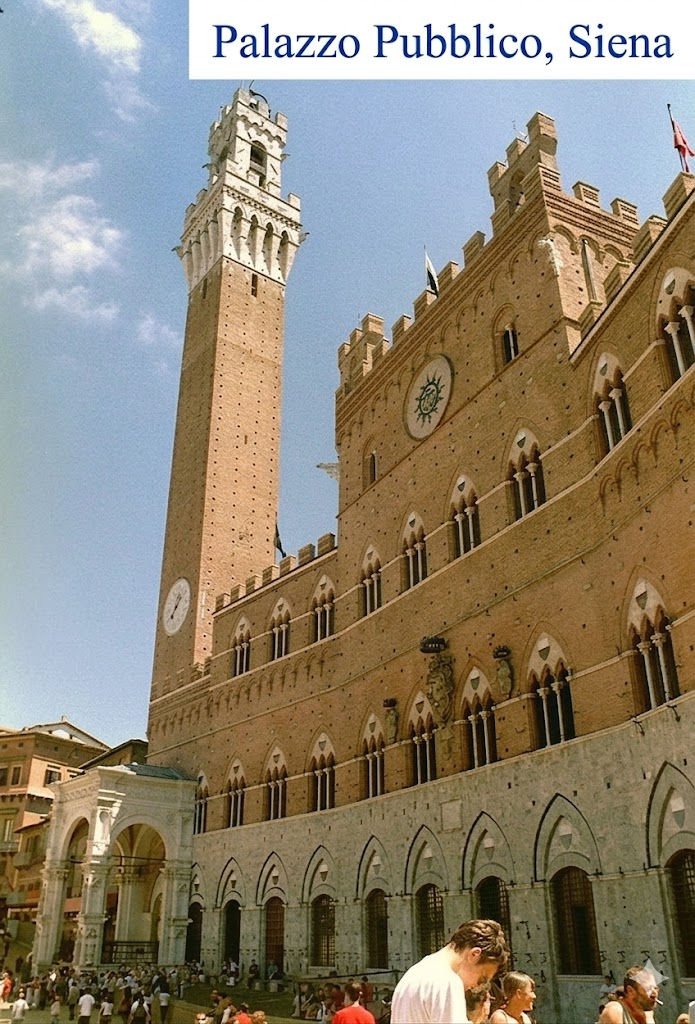
Construction began in 1910 at the initiative of the "National Association for Assistance to Italian Missionaries" (ANSMI). It was intended to establish a significant Italian presence in the Holy City, alongside other global powers—Germany, France, Russia, and Britain—who had already established hospitals, churches, and grand hostels outside the walls of the Old City. The architect Giulio Barluzzi, along with his younger brother Antonio Barluzzi (who would later become known as the "Architect of the Holy Land" for the many churches he designed for the Franciscan Custody), designed the building in a Gothic-Florentine style. Their primary inspiration came from the medieval public palaces of Tuscany, most notably the Palazzo Vecchio in Florence and the Siena City Hall—which explains the tall bell tower and the crenellations (the "teeth" on the roofline) that adorn the structure.
The building's history is intertwined with the upheavals that shaped the Land of Israel in the 20th century. With the outbreak of World War I, the Italians were forced to abandon the construction site. In 1915, when Italy joined the Allies against Turkey, the Ottoman government confiscated the building as enemy property, using it as a hospital for local residents. When the Italians returned following General Allenby’s conquest of Jerusalem in December 1917, they found the building damaged and its equipment looted. After restoration, the building was completed in 1919 and handed over to Italian nuns from the Cottolengo Order, who operated it as an active hospital. During World War II, when Italy became an enemy of Britain, the Mandatory administration confiscated the compound once again as enemy property, turning it into the Jerusalem headquarters for the Royal Air Force (RAF).
With the outbreak of the 1948 War of Independence, the building became a critical strategic point. As part of "Operation Kilshon" (Pitchfork), following the British withdrawal, Haganah and Etzel fighters took control of the compound. Throughout the war, it served as an IDF forward position and observation point during the battles for the "City Line," sustaining heavy damage from shelling. After the war, the building was returned to the Italian government. However, due to the extensive damage and following lengthy negotiations, Italy sold the compound to the State of Israel in 1961. Since 1963, it has housed the headquarters of the Ministry of Education. Despite the changes in ownership and use, the exterior facade has been meticulously preserved. One can still see the "blazons"—coats of arms of Italian noble families from the Crusader period—as well as Italian national symbols such as the Capitoline Wolf, Saint George, and the winged eagle, which decorate the iron fences of the compound, serving as a reminder of the rich cultural and historical mosaic that makes up life in Jerusalem.
--
---
----
👉Join one of my (quiet) Channels:
Telegram: nirtopper.com/telegram-channel
Whatsapp: nirtopper.com/whatsapp-channel
👉Rich content available for you on my Blog; Israel's History, Society & Culture:
--
---
----
Image: Siena City Hall – the source of inspiration for the hospital. Source: NielsB, CC BY-SA 3.0.
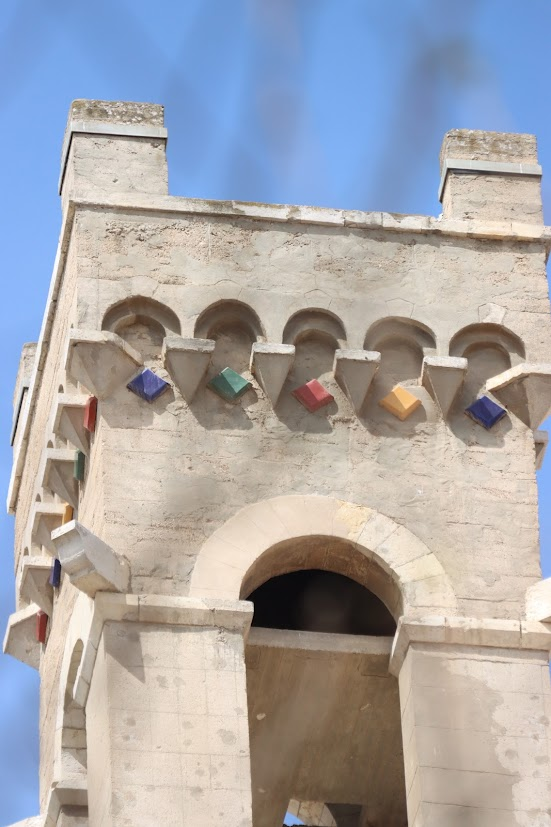
Images: Design elements and Italian national symbols on the building's facade and the surrounding wall and gates, the Italian Hospital, Jerusalem. Photos: Nir Topper.




Comments